
"tree in"
41000 article(s) found
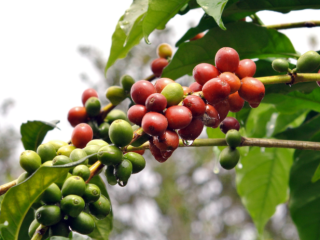
What kind of plant does coffee tree belong to? Introduction of coffee bean varieties and growth and fruiting cycle of coffee trees.
Coffee trees belong to the angiosperm phylum, dicotyledonous class, Rubia. Growing in the tropics and subtropics, coffee trees have white tube-shaped flowers that look like jasmine and give off the fragrance of jasmine. The flowers withered after 2 to 3 days, and the coffee beans began to bear fruit for 3 to 5 years after sowing.

The production of coffee beans with basic knowledge of fine coffee
Coffee trees take 3-5 years from planting to fruiting. 6-10 years of coffee trees are the most likely to bear fruit, about 15-20 years, is the harvest period. Coffee trees are usually bred in nurseries and grow into saplings, and then moved to coffee farms a year later, in full compliance with the way the Arabs planted and cultivated coffee trees. Coffee trees will continue to take root downward and upward in the first four or five years of their growth.
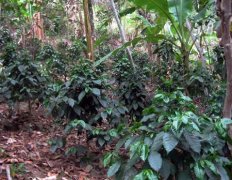
Production of coffee beans coffee output
Coffee trees take 3-5 years from planting to fruiting. 6-10 years of coffee trees are the most likely to bear fruit, about 15-20 years, is the harvest period. Coffee trees are usually bred in nurseries and grow into saplings, and then moved to coffee farms a year later, in full compliance with the way the Arabs planted and cultivated coffee trees. Coffee trees will continue to take root downward and upward in the first four or five years of their growth.

Basic knowledge of Coffee planting requirements and conditions of Coffee trees
The origin of the coffee tree is Ethiopia in Africa. In botany, coffee trees belong to the evergreen trees of the subgenus Rubiaceae, and coffee beans, commonly known as coffee beans, are actually the seeds of the fruit of coffee trees. They are called coffee beans only because they are shaped like beans. Climate is the decisive factor for coffee cultivation. Coffee trees are only suitable for growing in the tropics or subtropics, so latitude 25 degrees south and north.
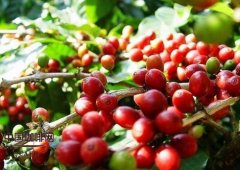
The news about coffee the planting conditions of coffee trees the origin of coffee beans
The origin of the coffee tree is Ethiopia in Africa. In botany, coffee trees belong to the evergreen trees of the subgenus Rubiaceae, and coffee beans, commonly known as coffee beans, are the seeds of the fruit of coffee trees, just because they are shaped like beans, so they are called coffee beans. Climate is the decisive factor for coffee cultivation. Coffee trees are only suitable for growing in the tropics or subtropics, so latitude 25 is south and north.

Introduction to the treatment of mature coffee on Brazilian trees. What are the characteristics of drying on trees?
Professional Coffee knowledge Exchange more coffee bean information Please pay attention to the coffee workshop (Wechat official account cafe_style) BRAZIL tree ripe KANJUKU to let the coffee fruit dry on the tree the burden on the coffee tree is considerable, but deliberately delaying the harvest time can increase the sweetness and taste of the coffee. Country: Brazilian origin: Minas Gerais state (Minas)

Fine Coffee study the types of Coffee trees
At present, the best quality coffee beans in the world mainly come from Arabica, Robusta and Liberia, which are mainly proud of the coffee trees in the three places. 1. The origin of Arabica coffee tree is Ethiopia, and its coffee bean production accounts for 70% of the world's output. The world-famous Blue Mountain Garffin, Mocha Coffee and so on are almost all Arabica species. Arabica coffee trees are suitable for growing in

Introduction to the planting environment of coffee trees Coffee trees bear fruit several times a year
The first flowering period of the coffee tree is about three years old. the five-petal tube-shaped white flowers are filled with a faint scent of jasmine and the inflorescences are arranged in dense clusters. Flowers wither after two or three days of blooming and begin to bear fruit after a few months. The fruit is a drupe with a diameter of about 1.5 cm. It is green at first, then turns yellow gradually, turns red when ripe, and is very similar to cherries.

Common sense of Coffee Tree planting
Professional coffee knowledge exchange more coffee bean information Please pay attention to the coffee workshop (Wechat official account cafe_style) Coffee trees grow in the tropics between the Tropic of Cancer and the Tropic of Cancer and near the equator, also known as the world coffee growth belt, caffeine varieties and regional factors, there are also great differences in appearance. The color of leaves ranging from yellowish green to dark green or even to brass.

Introduction of the whole process from coffee tree to fruiting
One of the characteristics of a coffee tree is that its fruit can bear fruit several times a year, and another is that flowers and fruits (also known as cherries) coexist at different stages of ripening. The whole coffee harvest is swayed by the vagaries of nature. If the fruit is too ripe, the beans in it will rot. If it is not ripe enough, the beans picked will not ripen by themselves. So bean pickers have to go through

Production conditions and soil Management of Coffee trees
Coffee trees-production conditions Coffee trees Coffee Tree Atlas 1. Planting conditions of coffee trees the ideal planting conditions for coffee trees are: the temperature climate is between 15 and 25 ℃, and the annual rainfall must reach 1500 to 2000 mm. At the same time, the rainfall time should be in line with the flowering cycle of coffee trees. Of course, in addition to the seasonal rainfall, there should be fertile soil.

Basic knowledge of coffee planting techniques and matters needing attention of coffee trees
The origin of the coffee tree is Ethiopia in Africa. In botany, coffee trees belong to the evergreen trees of the subgenus Rubiaceae, and coffee beans, commonly known as coffee beans, are actually the seeds of the fruit of coffee trees. They are called coffee beans only because they are shaped like beans. Climate is the decisive factor for coffee cultivation. Coffee trees are only suitable for growing in the tropics or subtropics, so latitude 25 degrees south and north.

Coffee knowledge Coffee tree coffee beans growth habits
Coffee is a drink that gives the public the impression of being black, bitter, sleepless, and excited. The coffee beans we see in coffee shops are dark brown and belong to roasted coffee beans, while the color of coffee liquid is amber. Coffee comes from coffee beans, which in turn are harvested and processed from the fruits of trees. Distribution of coffee: coffee trees

How long does it take for coffee trees to blossom to mature coffee berries?
How long does it take for coffee trees to blossom to mature coffee berries since 2014, Nestl é, Starbucks and Camille have stepped up efforts to open up raw material producing areas in Yunnan. Yunnan small grain coffee is also sold to Europe and the United States, Japan, South Korea and other more than 20 countries and regions, but on the whole, Yunnan coffee industry is still in its infancy, the industry breakthrough is not optimistic. Coffee tree florescence

What are the main types of coffee trees? what is the introduction to the types of coffee?
Arabica bean coffee tree can be divided into two main varieties: Arabica species (Coffea Arabica) and Robusta species (Coffea Robusta/Coffea Canephora). There are also some minor species, such as the Liberian species (Coffea Liberica) and the Alabasta species (Coffea Arabusta), but they are rare on the market.

The production of high-quality coffee beans
Coffee trees take 3-5 years from planting to fruiting. 6-10 years of coffee trees are the most likely to bear fruit, about 15-20 years, is the harvest period. Coffee trees are usually bred in nurseries and grow into saplings, and then moved to coffee farms a year later, in full compliance with the way the Arabs planted and cultivated coffee trees. Coffee trees will continue to take root downward and upward in the first four or five years of their growth.

Boutique Coffee Science explains in detail the three original species of coffee trees
Everyone should have heard of Elaraby as a kind of coffee. The best quality beans of the famous Colombian coffee are all Elaraby varieties. When it comes to the variety of coffee, we must first understand the type of coffee tree. At present, the most important coffee beans in the world are mainly from Arabica, Robata and Liberia. these three varieties of coffee beans are the three original species of coffee trees.

The origin and planting conditions of coffee trees basic knowledge of coffee
The origin of the coffee tree is Ethiopia in Africa. In botany, coffee trees belong to the evergreen trees of the subgenus Rubiaceae, and coffee beans, commonly known as coffee beans, are the seeds of the fruit of coffee trees, just because they are shaped like beans, so they are called coffee beans. Climate is the decisive factor for coffee cultivation. Coffee trees are only suitable for growing in the tropics or subtropics, so latitude 25 is south and north.

What are the types of coffee trees? Arabica species Robasta species Liberian species
What are the types of coffee trees? There are more than 6000 species of coffee trees, most of which are tropical trees and shrubs. There are four main coffee trees in the world, of which only two are of real commercial value and are planted in large quantities, and the quality of the coffee beans produced by other coffee trees is also higher than that of other coffee trees. The first is Arabica beans, which account for the world's output.

What conditions are needed for the planting of coffee trees? it is not very important to the environment.
The origin of the coffee tree is Ethiopia in Africa. In botany, coffee trees belong to the evergreen trees of the subgenus Rubiaceae, and coffee beans, commonly known as coffee beans, are the seeds of the fruit of coffee trees, just because they are shaped like beans, so they are called coffee beans. Climate is the decisive factor for coffee cultivation. Coffee trees are only suitable for growing in the tropics or subtropics, so latitude 25 is south and north.